



Key takeaways

- Weeping eczema is a complication of eczema, not a separate skin condition.
- Symptoms of weeping eczema include oozing of clear or yellowish liquid, blisters, open sores, draining, and discolored skin.
- Knowing how to spot the signs of weeping eczema can help you know when to seek treatment from a dermatology expert before symptoms worsen.
Introduction
Many people who live with eczema know how to recognize flare-ups, like dry and irritated patches of skin, itching, and redness. But if your eczema begins to weep or ooze clear fluid, it might be a sign of weeping eczema, also known as acute eczema, a complication of the condition.
It’s important to reach out to a dermatology expert when you spot the signs of weeping eczema. If left untreated, it can lead to more severe symptoms and an increased risk of infection.
Read on to learn more about the signs of weeping eczema, what causes it, and how to treat the symptoms.
What Is Weeping Eczema?
Weeping eczema is a complication of eczema, or atopic dermatitis. It is not a separate condition from eczema. Eczema is the most common inflammatory skin condition and affects up to 30% of children and 10% of adults in the developed world.
Though experts aren’t sure what causes eczema to begin with, some of the factors that contribute to the development of the condition include:
- Genetics, or a family history of the condition.
- Certain environmental triggers.
- Stress.
Causes of Weeping Eczema
There are two primary causes of weeping eczema: acute inflammation and scratching.
Acute Inflammation
Weeping eczema can be caused by sudden onset inflammation in the skin. When skin becomes inflamed, it can cause blood vessels to dilate and leak serum, a yellow or clear fluid, into the soft tissue. This can result in swelling (also known as fluid accumulation or edema) and oozing on the skin’s surface.
Scratching
Another cause of weeping eczema is scratching. Many people with eczema experience symptoms of dry, scaly and itchy rashes or patches on the skin. When scratched, some eczema patches can start to weep fluid. Scratching can also exacerbate other common eczema symptoms, including redness, dry skin, and thickening or hardening of the skin.
What’s the Connection Between Weeping Eczema and Infection?
People with weeping eczema can also develop a secondary infection. When eczema becomes cracked, dry, or inflamed, it can make it easier for an infection to enter the skin. Infections usually cause eczema symptoms to get worse.
The bacterium Staphylococcus, or staph, is the most common cause of infections in people with eczema.
Importantly, infections can also cause weeping or oozing to occur. But infected eczema is considered to be a separate condition from weeping eczema, though they can occur at the same time.
Other causes of infections in people with eczema include:
- Herpes simplex virus (HSV-1), also known as eczema herpeticum.
- Fungal infections, also known as ringworm.
Symptoms of Weeping Eczema
The most common symptoms of weeping eczema include:
- Blisters or open sores.
- Drainage or oozing of a clear or yellow liquid.
- Burning, itching, or soreness.
- Red, discolored, or inflamed patches.
Infected eczema can cause additional symptoms, including:
- Fatigue.
- Fever.
- Chills.
- Aches.
- Swollen lymph nodes.
- Increased swelling and redness.
- Golden-colored crusting
If you notice signs of an infection, reach out to your healthcare provider for treatment guidance.
How is Weeping Eczema Diagnosed?
Like most eczema-related diagnoses, weeping eczema is usually diagnosed through a physical examination with a dermatology expert.
Your provider may also ask you questions about your skin health and health history, such as:
- When did your symptoms first develop?
- Do you have a history of allergies or irritants?
- Have you made any changes to your personal hygiene products?
- Any family history of eczema or allergies?
- How often do you have flares of eczema?
Depending on your symptoms and health history, your provider may recommend additional testing to confirm the diagnosis, including:
- Skin swab (culture) to check for bacteria, virus, or fungus.
- Skin allergy tests.
- Blood tests.*
- Skin biopsy.*
*Your provider is less likely to recommend the last two testing options on the list, though they are theoretically possible. Skin swabs (or cultures) are the most common.
How to Treat Weeping Eczema
There are several types of treatment for weeping eczema. Speaking with a dermatology expert can help you to determine which treatment is right for your symptoms.
Medical Treatments
Depending on the cause of your weeping eczema, there are usually three medical treatments that your provider might recommend:
- Corticosteroids: Chances are, if you have eczema you already have a topical steroid in your medicine cabinet to help reduce inflammation, swelling, and itching during flare-ups. These medicines can also help to treat weeping eczema. Depending on your symptoms, a dermatology expert may also prescribe oral steroids, like prednisone.
- Antihistamines: Allergies don’t cause acute eczema, but they can exacerbate symptoms in some people. If you have both allergies and eczema, taking an antihistamine can help to provide overall relief.
- Non-steroid topicals: These types of medications, including calcineurin inhibitors like tacrolimus and pimecrolimus and phosphodiesterase (PDE4) inhibitors like crisaborole, can help to reduce inflammation and itching when corticosteroids and other first-line treatments are ineffective.
If you have a secondary infection, a dermatology expert may also prescribe antibiotics, antifungals, or antivirals to help treat the source of the infection.
Home Remedies & Natural Treatments
It’s likely that you’ll need prescription medication to treat your weeping eczema, especially if you have a secondary infection. But there are some home remedies that can help to soothe your symptoms during treatment:
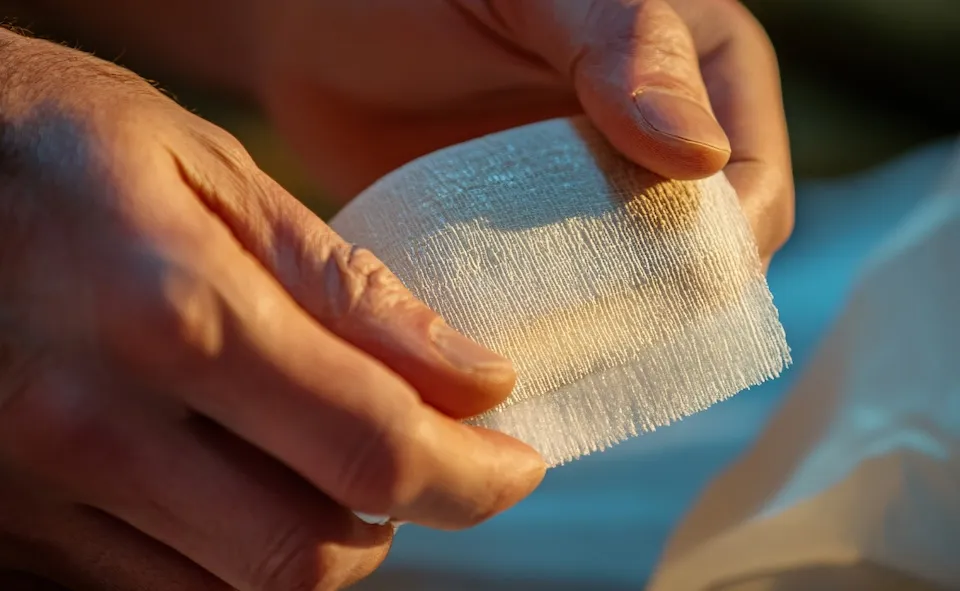
- Wet wrap therapy:Wrapping weeping eczema in a wet bandage overnight can help to improve the recovery of your skin barrier, reduce the rate of infection, and promote the penetration of topical medications. It can also reduce itching and protect your eczema from scratching.
Be sure to soak a clean cotton cloth, dressing, or gauze in warm water before wrapping around the affected area of skin. Your provider may also recommend applying a topical medication before using the wet bandage. After removing the bandage in the morning, remember to apply a hydrating moisturizer.
Keep in mind that if there are signs of an infection or if your skin is too macerated you should avoid wet wrapping until your skin is more healed.
- Colloidal oatmeal: Research shows that colloidal oatmeal has anti-inflammatory properties that can help to reduce dryness, scaling, roughness, and itchiness in skin. Adding colloidal oatmeal to your bath or applying it directly to your eczema in the form of a paste or cream can help to soothe common eczema symptoms.
- Diluted bleach bath: Taking a diluted bleach bath can help to ease eczema symptoms such as itching and scaling and may help to kill bacteria on the skin to reduce the risk of infection. Add ¼-½ cup of household bleach to roughly 20 gallons of warm water. Stay in the bath for 5-10 minutes before rinsing off with clean water. Be sure not to submerge your head or rub your eyes and to apply a generous amount of hydrating moisturizer as soon as you get out of the bath. Natural oils, like sunflower oil, can also be applied after the bath and may help your skin to retain moisture.
How to Prevent Weeping Eczema
People with eczema aren’t always able to prevent flare-ups, but there are some things you can do to reduce your risk of developing weeping eczema:
- Resist scratching eczema patches when possible (which can be easier said than done). Applying cool compresses when you have the urge to scratch can help to soothe the itch.
- Moisturize regularly (at least twice a day) with a hydrating moisturizer.
- Use personal hygiene products that are fragrance and dye-free.
- Reduce stress.
When to See a Doctor for Weeping Eczema
If your eczema weeps or oozes liquid, seek help from a healthcare provider or dermatology expert as soon as possible.
It’s important to reach out to an expert when you notice the signs of weeping eczema so that they can determine the cause of your symptoms and guide you toward the most effective treatment.
If left untreated, weeping eczema can lead to more severe symptoms and a higher risk of developing an infection.
The Skin Deep Summary

The most common signs of weeping eczema include clear or yellowish liquid oozing out from the skin, blisters or open sores, and discolored or scaly patches. If you notice any signs of weeping eczema, reach out to a dermatology expert for help.
Thankfully, online eczema treatment is within reach. Connect with top-notch skincare experts at Zest to help soothe, manage, and prevent your symptoms with individualized treatment plans that cater to your needs and lifestyle. Better yet, book a virtual appointment within days.
Get fast, expert-backed online eczema treatment and virtual dermatology care with Zest. Book a next-day appointment, message your dedicated care team 24/7, and get specialized support.
Learn moreGet fast, expert-backed online psoriasis treatment and virtual dermatology care with Zest. Book a next-day appointment, message your dedicated care team 24/7, and get specialized support.
Learn moreSources
- Atopic Dermatitis. (2023, August 8). StatPearls.
- The role of bacterial skin infections in atopic dermatitis: expert statement and review from the International Eczema Council Skin Infection Group. (2020, June). British Journal of Dermatology.
- Atopic Dermatitis. (2022, November). National Institute of Arthritis and Musculoskeletal and Skin Diseases.
- The role of phosphodiesterase 4 in the pathophysiology of atopic dermatitis and the perspective for its inhibition. (2018, October 17). Experimental Dermatology.
- Advancing Treatment in Atopic Dermatitis: A Comprehensive Review of Clinical Efficacy, Safety, and Comparative Insights Into Corticosteroids, Calcineurin Inhibitors, and Phosphodiesterase-4 Inhibitors as Topical Therapies. (2024, March 2). Cureus.
- A Comprehensive Review of the Treatment of Atopic Eczema. (2016, May). Allergy, Asthma & Immunology Research.
- Anti-inflammatory activities of colloidal oatmeal (Avena sativa) contribute to the effectiveness of oats in treatment of itch associated with dry, irritated skin. (2015, January). Journal of Drugs and Dermatology.
- Ecz-Pert Tips for Bathing with Eczema. (n.d.). National Eczema Association.
FAQs

Zest Health is the first virtual dermatology clinic specialized for psoriasis and eczema. Zest Health can be your main dermatology provider, or you can use it between visits with your regular doctor. Zest is designed to improve outcomes for psoriasis and atopic dermatitis with customizedhigh touch clinical care.
Zest Health focuses exclusively on psoriasis and eczema — two of the most common and complex chronic inflammatory skin conditions. We offer deep expertise and tailor treatment plans to your unique symptoms, history, and lifestyle. Treatment plans go beyond symptom relief to identify and address the underlying causes and triggers of flares.
Zest is designed for people living with chronic skin conditions like eczema and psoriasis who need ongoing, specialized care. Organizations that partner with Zest gain a way to improve access and outcomes for their members without over reliance on prescription medications. Individuals seeking care for other skin concerns are not a fit for our program today.


Ready to find relief?
Book a visit and take the first step toward a treatment plan built just for you.