
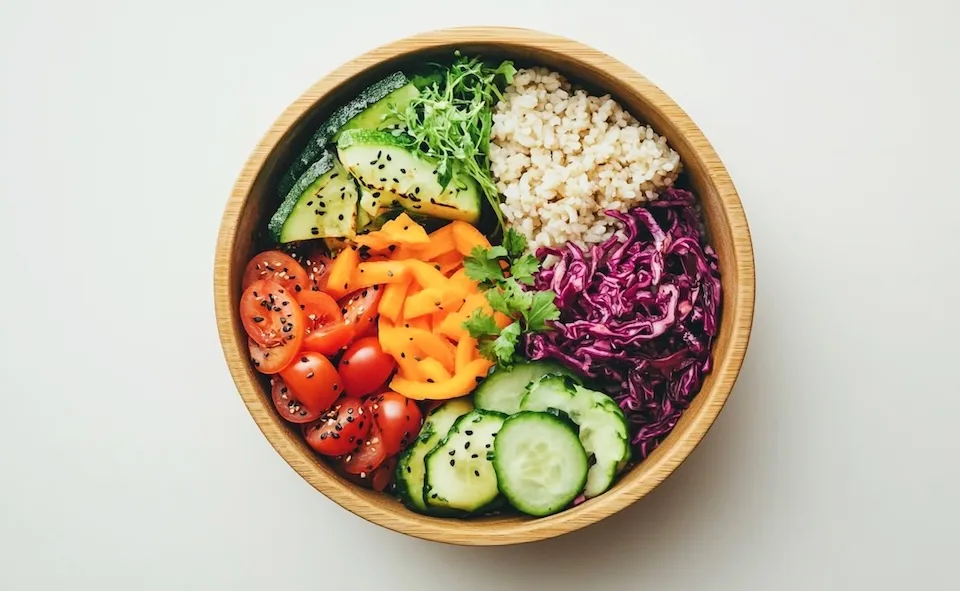
Alimentacion e Inflamacion: Comer para su Condicion de Piel

Puntos Clave
- Lo que se come puede calmar o alimentar la inflamación, afectando directamente condiciones de la piel como el eczema y la psoriasis.
- Elegir alimentos antiinflamatorios y ricos en nutrientes puede ayudar a reducir los brotes, apoyar su barrera cutánea y mejorar la salud en general.
- Una dieta equilibrada que incluya fibra, probióticos y prebióticos apoya un intestino saludable, que es una de las claves para una piel clara y resistente.
Su piel y su sistema inmunológico están estrechamente vinculados a lo que sucede en su intestino. Ciertos alimentos provocan inflamación y empeoran los síntomas de la piel. Otros ayudan a calmarla. Para las personas con eczema o psoriasis, comer pensando en su piel marca una diferencia notable.
La alimentación sola no es una cura. Pero funciona bien como parte de su plan de atención cuando se combina con los tratamientos y el apoyo adecuados.
Comer para el Eczema
El eczema está frecuentemente vinculado a la sensibilidad inmunológica y a una barrera cutánea deteriorada. Las elecciones alimentarias que calman la inflamación y reducen la respuesta a la histamina ayudan a minimizar la picazón, la sequedad y la frecuencia de los brotes.
Alimentos que apoyan el control del eczema:
- Pescado graso. El salmón, las sardinas y la caballa son ricos en omega-3 que reducen la inflamación.
- Frutas y verduras coloridas. Especialmente las ricas en antioxidantes, como las bayas, las espinacas, la col rizada y los pimientos.
- Alimentos ricos en zinc. Las semillas de calabaza, las lentejas y los garbanzos son importantes para la reparación de la piel.
- Fuentes de vitamina E y D. Las almendras, los aguacates y los alimentos fortificados ayudan a mantener la fortaleza de la barrera cutánea.
No todos los alimentos son buenos o malos. Pero algunos pueden empeorar los síntomas del eczema en ciertas personas. Los aceites refinados y los azúcares, presentes en opciones fritas o muy procesadas, contribuyen a la inflamación y la sequedad. Ingredientes comunes como los lácteos o los huevos pueden actuar como desencadenantes en algunas personas. El alcohol, los azúcares añadidos y los alimentos con alto contenido de histamina como el queso añejo, la salsa de soja o las carnes curadas pueden causar brotes en personas más sensibles.
Lo que irrita la piel de una persona puede ser perfectamente adecuado para otra. Su equipo de atención de Zest le ayuda a notar patrones, identificar posibles desencadenantes y experimentar de forma segura con cambios pequeños y estructurados para que entienda cómo responde su cuerpo.
Comer para la Psoriasis
La psoriasis es una condición inflamatoria vinculada a vías inmunológicas hiperactivas y a la salud metabólica. Las elecciones alimentarias que apoyan el equilibrio del azúcar en sangre, reducen la inflamación sistémica y promueven un peso saludable ayudan a controlar la intensidad y duración de los brotes.
Alimentos que apoyan el control de la psoriasis:
- Proteínas magras. El pollo, el pavo, el tofu y los frijoles ayudan a reparar la piel y mantener la energía.
- Alimentos ricos en omega-3. El salmón, la linaza, la chía y las nueces reducen las señales inflamatorias en todo el cuerpo.
- Alimentos ricos en fibra. La avena, las lentejas y las verduras de hoja verde apoyan la salud intestinal y reducen la inflamación.
- Aceite de oliva y aguacate. Contienen grasas saludables que ayudan a modular la inflamación.
- Bayas, cítricos y verduras de hoja verde. Llenos de antioxidantes que protegen las células de la piel del estrés oxidativo.
La alimentación raramente es la única causa de los brotes. Pero ciertos patrones alimentarios hacen que la inflamación sea más difícil de controlar para algunas personas. Las carnes muy procesadas, los carbohidratos refinados y las bebidas azucaradas aumentan el azúcar en sangre e incrementan los marcadores inflamatorios. El consumo elevado de alcohol puede interferir con los medicamentos o hacer que los síntomas sean más impredecibles. Los lácteos contribuyen a la inflamación en algunas personas, pero no en todas.
El objetivo no es eliminar grupos enteros de alimentos. Es entender sus desencadenantes únicos, calmar la inflamación y crear un plan a largo plazo que apoye tanto su piel como su salud en general.
Probióticos, Prebióticos y Fibra: Nutriendo un Intestino y una Piel más Saludables
Un microbioma intestinal equilibrado ayuda a regular la inflamación en todo el cuerpo, incluida la piel. Apoyar la salud intestinal a través de la dieta hace que sus tratamientos sean más efectivos y sus brotes menos frecuentes.
- Probióticos (las bacterias buenas). Se encuentran en el yogur, el kéfir, el kimchi, el chucrut, el miso y la kombucha. Pueden ayudar a restaurar el equilibrio intestinal y reducir las respuestas inflamatorias vinculadas al eczema y la psoriasis.
- Prebióticos (lo que alimenta a las bacterias buenas). Se encuentran en el ajo, las cebollas, los puerros, los espárragos, los plátanos y la avena. Fomentan el crecimiento de bacterias beneficiosas que ayudan a regular su sistema inmunológico.
- Fibra. Procure consumir al menos 25 a 30 gramos al día de granos enteros, legumbres, frutas y verduras. La fibra apoya la digestión regular, alimenta las bacterias intestinales saludables y ayuda a eliminar los subproductos inflamatorios.
Juntos, la fibra, los probióticos y los prebióticos crean una base sólida para la salud intestinal y cutánea, ayudando a su cuerpo a calmar la inflamación de forma natural.
¿Quiere ayuda para incorporar estos cambios a su estilo de vida? Su equipo de atención de Zest le orienta en ajustes nutricionales personalizados que complementen su plan de tratamiento. Comuníquese en cualquier momento a través de su portal.

Resumen de Piel Profunda
La alimentación juega un papel real en el manejo del eczema y la psoriasis. No a través de reglas estrictas o restricciones, sino a través de la conciencia y el equilibrio. Elegir alimentos antiinflamatorios e integrales ricos en fibra, probióticos y grasas saludables ayuda a calmar el sistema inmunológico y a apoyar el equilibrio duradero de la piel.
La nutrición es una parte esencial de su atención en Zest, no algo secundario. Su equipo de atención le orienta para explorar lo que funciona para su cuerpo, de modo que las elecciones saludables se sientan naturales, beneficiosas y sostenibles.