
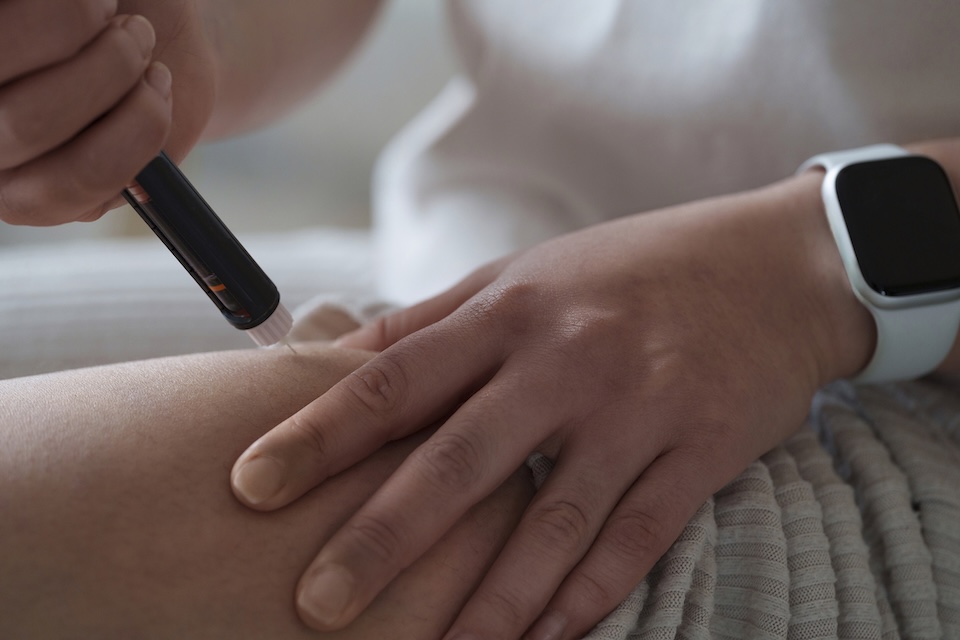
Medicamentos GLP-1 y psoriasis: lo que debes saber

Puntos clave
- Los medicamentos GLP-1, como la semaglutida (Ozempic, Wegovy) y la tirzepatida (Mounjaro, Zepbound), pueden ayudar a reducir los brotes de psoriasis al calmar la inflamación en todo el cuerpo, no solo al controlar el peso o el azúcar en sangre.
- Algunas personas notan que su piel mejora antes de que ocurra una pérdida de peso significativa, lo que sugiere que estos medicamentos pueden tener un efecto directo en las vías inmunológicas que provocan la psoriasis.
- Los GLP-1 no están aprobados actualmente por la FDA para la psoriasis, pero para las personas que manejan tanto la psoriasis como una afección metabólica, puede valer la pena discutirlo con su equipo médico.
Si vive con psoriasis además de obesidad o diabetes tipo 2, ya sabe cuánto pueden influir estas afecciones entre sí. Una etapa difícil con su piel puede afectar su energía, su confianza y su salud general, y manejar dos enfermedades crónicas a la vez requiere un esfuerzo considerable.
Aquí hay algo alentador: los medicamentos desarrollados originalmente para afecciones metabólicas están mostrando resultados prometedores para las personas con psoriasis. Esta guía explica lo que sabemos actualmente, lo que podría significar para usted y cómo tener una conversación informada con su equipo médico.
La conexión entre la salud metabólica y la psoriasis
Durante mucho tiempo, los médicos consideraron la obesidad como algo que simplemente tendía a ocurrir junto con la psoriasis. Ahora entendemos que la relación es mucho más profunda.
El exceso de grasa corporal no permanece pasivo en el cuerpo; produce activamente señales inflamatorias. Estas señales se suman al mismo tipo de inflamación sistémica que provoca los brotes de psoriasis. Al mismo tiempo, la psoriasis grave puede afectar la forma en que su cuerpo procesa la insulina, lo que puede aumentar el riesgo de padecer afecciones metabólicas como la diabetes tipo 2.
En otras palabras, ambas afecciones pueden alimentarse mutuamente. Por eso, tratar el panorama completo, y no solo la piel, puede marcar una diferencia significativa.
Cómo pueden ayudar los medicamentos GLP-1
Los medicamentos GLP-1 son una clase de fármacos que funcionan imitando una hormona natural del cuerpo. Se utilizan ampliamente para tratar la diabetes tipo 2 y la obesidad al ayudar a regular el azúcar en sangre y el apetito. Sin embargo, los investigadores y dermatólogos han comenzado a notar algo interesante: muchas personas que toman estos medicamentos también ven mejorar su psoriasis. Parece haber dos razones para esto.
1. Menos grasa corporal, menos inflamación
Los medicamentos GLP-1 ayudan a muchas personas a perder una cantidad significativa de peso. A medida que disminuye la grasa corporal, también lo hace el nivel base de inflamación en el cuerpo, lo que puede facilitar que los tratamientos existentes para la psoriasis funcionen y que la piel se mantenga más limpia entre brotes.
2. Un posible efecto directo sobre el sistema inmunológico
Quizás lo más interesante es que algunas personas informan que su psoriasis mejora antes de haber perdido mucho peso. Esto sugiere que los medicamentos GLP-1 podrían tener un efecto más directo sobre el sistema inmunológico, calmando potencialmente algunas de las mismas señales inflamatorias que causan la formación de placas psoriásicas. La investigación en esta área aún está en curso, pero los primeros hallazgos son alentadores.
Lo que muestra la investigación
Todavía estamos en las primeras etapas para comprender exactamente cómo afectan los medicamentos GLP-1 a la psoriasis; aún se están llevando a cabo grandes ensayos clínicos dedicados a este tema. Pero los datos del mundo real recopilados hasta ahora son consistentes y prometedores.
Lo que esto significa para su atención
Actualmente, los medicamentos GLP-1 no están aprobados por la FDA como tratamientos para la psoriasis. Pero, si ya está manejando la psoriasis junto con la obesidad o la diabetes tipo 2, pueden ser una parte importante de su plan de atención integral e incluso ayudarle a reducir la dosis de sus medicamentos para la psoriasis.
Algunas cosas que vale la pena saber antes de comentarlo con su equipo médico:
- Efectos secundarios estomacales — Las náuseas, la diarrea leve o el estreñimiento son los efectos secundarios más comunes, especialmente al comenzar. Por lo general, disminuyen con el tiempo.
- Pérdida temporal de cabello — Algunas personas experimentan un adelgazamiento temporal del cabello con una pérdida de peso significativa. Mantener una ingesta adecuada de proteínas y mantenerse activo puede ayudar a minimizar esto.
- Se requiere un equipo — Debido a que los medicamentos GLP-1 se encuentran en la intersección de la dermatología y la salud metabólica, su manejo adecuado puede implicar que su equipo de atención de Zest trabaje junto con su médico de atención primaria o endocrinólogo. Somos expertos en el manejo de la inflamación sistémica y podemos ayudar a coordinar la atención con sus otros proveedores.
¿Tiene curiosidad sobre si un medicamento GLP-1 podría ser adecuado para su situación? Comuníquese a través de su portal de Zest; su equipo de atención está aquí para analizarlo con usted.

Resumen de Skin Deep
Lidiar con la psoriasis y una afección metabólica al mismo tiempo es realmente difícil, y es importante saber que están surgiendo nuevas herramientas que podrían ayudar con ambas a la vez.
GLP-1 medications represent a promising and evolving area of research for people living with psoriasis, particularly those also managing weight or blood sugar. At Zest, we stay close to the latest evidence so we can help you make informed decisions about your care.You’re never navigating this alone — reach out anytime.