
La Salud Intestinal y su Piel: Como Están Conectadas

Puntos Clave
- Su intestino y su piel se comunican constantemente a través del sistema inmunológico y las vías de inflamación. Esta relación se llama frecuentemente el eje intestino-piel.
- Un microbioma intestinal desequilibrado contribuye a la inflamación que empeora condiciones de la piel como el eczema, la psoriasis, el acné y la rosácea.
- Apoyar la salud intestinal a través de la nutrición, el manejo del estrés y el estilo de vida ayuda a que su piel sane desde adentro.
Puede que no piense en su intestino cuando se mira al espejo. Pero su sistema digestivo juega un papel importante en cómo se ve y se siente su piel.
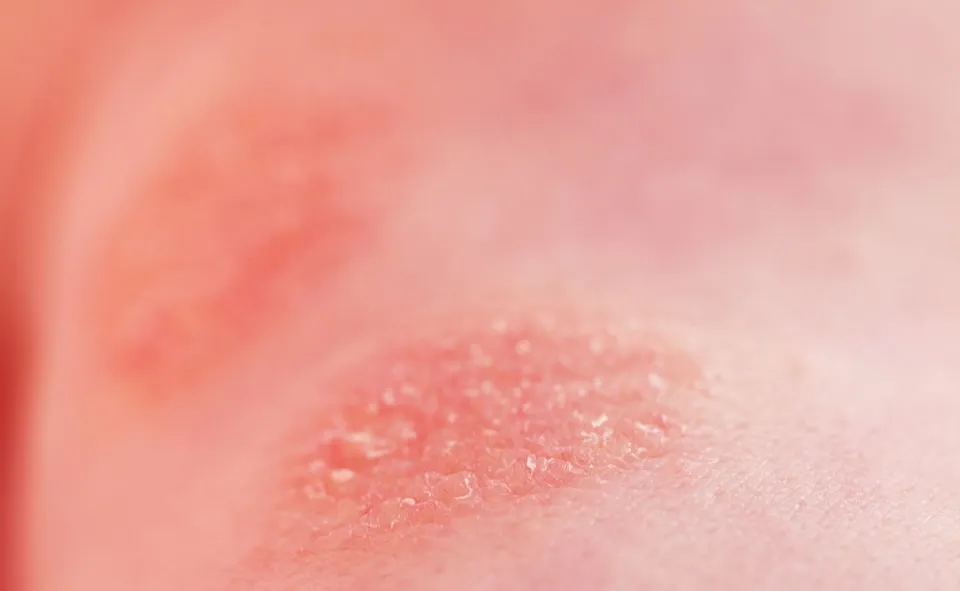
El intestino y la piel son ambos órganos de barrera. Protegen su cuerpo del mundo exterior. Cuando la barrera intestinal se desequilibra, debido a factores como el estrés, los alimentos procesados, los antibióticos o la falta de sueño, se desencadena una inflamación leve en todo el cuerpo. Esa inflamación frecuentemente se manifiesta en la piel como enrojecimiento, brotes o sequedad.
Esta relación se conoce como el eje intestino-piel. Investigaciones recientes muestran que mejorar el equilibrio intestinal lleva a una piel más calmada y clara.
Como la Salud Intestinal Afecta las Condiciones Comunes de la Piel
Cuando el intestino está desequilibrado, altera el sistema inmunológico y hace que las condiciones crónicas de la piel sean más difíciles de controlar. Casi el 70% de su sistema inmunológico reside en su intestino. Lo que sucede allí tiene un impacto directo en la inflamación en todo su cuerpo, incluida su piel.
Para las personas con eczema, la investigación muestra que los cambios en el microbioma intestinal, particularmente una disminución de bacterias beneficiosas como Lactobacillus y Bifidobacterium (lak-to-ba-SI-lus y bi-fi-do-BAC-te-rium), alteran como el cuerpo regula la inflamación. Este desequilibrio puede aumentar la liberación de histaminas y proteínas inflamatorias, lo que lleva a más picazón, sequedad y sensibilidad.
En la psoriasis, la inflamación crónica en el intestino activa las mismas vías inmunológicas involucradas en los brotes de la piel. Cuando la barrera intestinal se vuelve permeable, las moléculas inflamatorias entran al torrente sanguíneo y amplifican la hiperreactividad inmunológica en la piel. Apoyar la salud intestinal ayuda a calmar este ciclo de inflamación y restaurar el equilibrio inmunológico, resultando frecuentemente en menos brotes y una piel más suave.
Cómo Apoyar un Intestino Saludable y una Piel más Saludable
No existe una dieta única para la salud intestinal que funcione para todos. Pero estos pasos ayudan a que su piel y su digestión trabajen juntos:
- Coma una variedad de alimentos integrales. Las frutas, verduras, granos integrales y alimentos fermentados ricos en fibra como el yogur, el kéfir, el kimchi o el chucrut ayudan a nutrir las bacterias intestinales saludables.
- Limite los alimentos ultraprocesados y el azúcar añadida. Estos alteran su microbioma intestinal y desencadenan inflamación.
- Mantenerse hidratado. El agua apoya una digestión saludable y la función de la barrera cutánea.
- Maneje el estrés. El intestino es muy sensible al estrés emocional, que también empeora los brotes. Prácticas como la meditación, el journaling o el ejercicio ligero ayudan a restaurar el equilibrio.
- Duerma lo suficiente. El descanso de calidad permite que tanto su intestino como su piel se reparan y renuevan.
El Enfoque de Zest: Salud de la Piel en Todo el Cuerpo
Las condiciones de la piel son más que problemas superficiales. El control duradero frecuentemente comienza desde adentro hacia afuera. Su plan de atención en Zest puede incluir orientación nutricional, apoyo para el manejo del estrés y estrategias conductuales junto al tratamiento médico para ayudar a que su piel prospere.
Tiene preguntas sobre cómo su dieta o la salud intestinal podrían estar afectando su piel? Envíe un mensaje a través de su portal de Zest. Su equipo de atención le ayuda a explorar formas personalizadas de devolver el equilibrio a su piel y a su sistema.

Resumen de Piel Profunda
Su intestino y su piel están profundamente conectados. Cuando uno está inflamado, el otro frecuentemente lo refleja. Al nutrir su salud intestinal a través de una nutrición equilibrada, el descanso y el manejo del estrés, también apoya una piel más clara y calmada. Los cambios pequeños y consistentes en como come, descansa y maneja el estrés construyen una base sólida para una salud de la piel duradera. Su equipo de atención de Zest está aquí para ayudarle a lograrlo.