
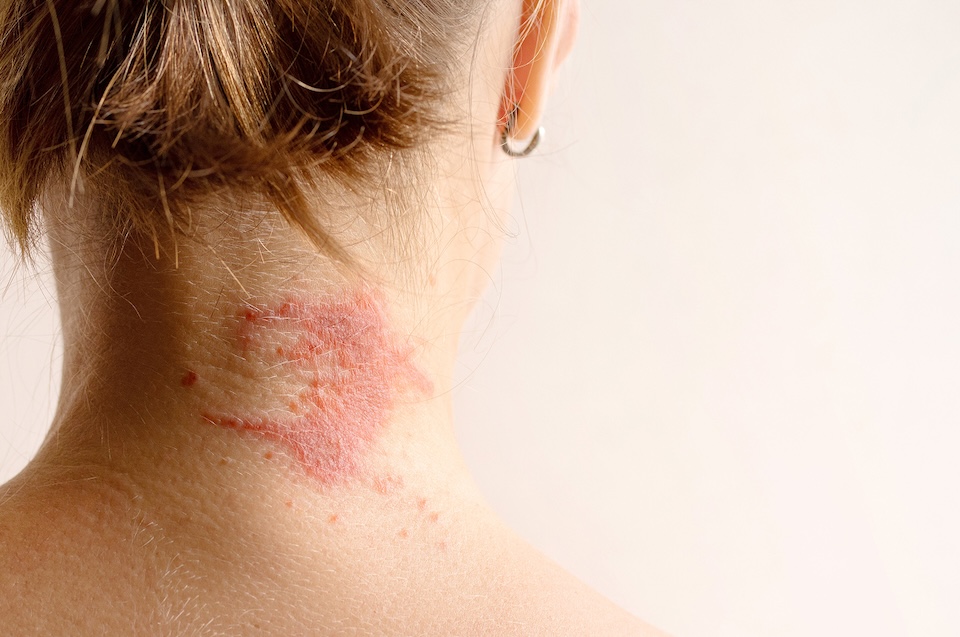
¿Qué es la dermatitis atópica? Entienda su piel y cómo cuidarla

Puntos clave
- La dermatitis atópica es una afección de origen inmunológico: a tu piel le cuesta más retener la humedad y mantener fuera los agentes irritantes, lo que alimenta el ciclo de picor e inflamación.
- La hidratación diaria es tan importante como tus tratamientos recetados (si no más) para mantener tu barrera cutánea fuerte y ayudar a prevenir el próximo brote.
- Con la rutina y el apoyo adecuados, los brotes pueden volverse menos frecuentes, menos intensos y más fáciles de controlar con el tiempo.
Si has notado parches secos, intensamente irritados o rojos en la piel, es posible que sufras dermatitis atópica, la forma más común de eccema. Puede resultar impredecible y frustrante, especialmente cuando aparece un brote justo cuando tu piel empezaba a mejorar.
No es tu culpa y no estás solo en esto. Entender lo que ocurre realmente bajo la superficie puede hacer que el camino a seguir sea mucho menos abrumador. Para eso está esta guía.
Qué le ocurre a tu piel
La dermatitis atópica es una afección cutánea crónica (a largo plazo) que tiene su origen en dos procesos simultáneos: un sistema inmunitario hiperactivo y una barrera cutánea debilitada. Imagina que una barrera cutánea sana es como un muro protector: retiene la humedad y mantiene fuera los agentes irritantes.
En la dermatitis atópica, ese muro tiene grietas. A la piel le faltan ciertas proteínas necesarias para mantenerse fuerte y flexible, por lo que la humedad se escapa rápidamente y los irritantes entran con facilidad. Cuando esto ocurre, el sistema inmunitario responde con inflamación, y eso es lo que provoca el picor, el enrojecimiento y la sequedad que sientes.
La dermatitis atópica alterna de forma natural entre brotes (cuando los síntomas están más activos) y periodos de calma llamados remisión. Ambos son parte normal de la afección. Y con la rutina adecuada, esos periodos de calma pueden durar más tiempo.
Cómo puede manifestarse la dermatitis atópica
La dermatitis atópica puede manifestarse de forma diferente según tu edad y el tono de tu piel, y es importante saberlo. En pieles claras, suele aparecer como parches rojos, secos e intensamente irritados. En tonos de piel más oscuros, la erupción puede verse violácea, grisácea o marrón oscura, y a veces puede aparecer como pequeños bultos elevados alrededor de los folículos pilosos.
Aunque puede aparecer en cualquier parte del cuerpo, suele localizarse en unas pocas zonas clave:
- Zonas de flexión — los pliegues de los codos y la parte posterior de las rodillas son puntos críticos clásicos.
- Zonas sensibles— el rostro, los párpados, el cuello y los pliegues cutáneos son especialmente propensos a la irritación.
- Manos y pies — las zonas expuestas frecuentemente al agua y a la fricción suelen experimentar sequedad persistente y grietas.
Qué desencadena un brote
Los brotes de dermatitis atópica no ocurren al azar; casi siempre están relacionados con algo que provoca inflamación en el cuerpo. Los desencadenantes varían de una persona a otra, pero algunos de los más comunes incluyen:
Conocer tus desencadenantes personales es una de las herramientas más poderosas que puedes tener. Cambia el enfoque: de reaccionar ante los brotes a anticiparte a ellos.
Cómo controlar la dermatitis atópica
Controlar la dermatitis atópica es un proceso de dos partes: calmar la inflamación activa desde el exterior y, al mismo tiempo, reforzar de forma proactiva tu barrera protectora cada día. Tu plan de cuidado Zest se centra en tres pilares fundamentales para ayudar a que los periodos de calma duren más.
1. Crea una rutina de cuidado diario suave
Una rutina constante es la base para reparar la barrera cutánea. Así es como puede ser:
- Baño — Mantén las duchas cortas y usa agua tibia. Elige limpiadores suaves, sin fragancias ni jabón, y evita cualquier producto con colorantes añadidos o aceites esenciales. Al secarte, da toques suaves sobre la piel; nunca frotes.
- Hidratación — Aplica una crema hidratante densa en los 3 minutos siguientes a salir de la ducha, mientras tu piel aún está ligeramente húmeda. Esto ayuda a retener la hidratación antes de que se evapore. Los ungüentos y las cremas espesas suelen funcionar mejor. Puedes encontrar opciones aprobadas por especialistas en el Zest Marketplace.
2. Apoyo específico para los brotes
Cuando aparece un brote, los medicamentos recetados son su primera línea de apoyo. Aplique su tratamiento recetado directamente sobre las zonas afectadas y deje que se absorba antes de aplicar la crema hidratante. Para zonas sensibles como el rostro o el cuello, su proveedor puede recomendarle opciones sin esteroides que reducen la inflamación sin riesgo de adelgazamiento de la piel; no dude en consultarlo.
3. Apoyo adicional para brotes persistentes
Para brotes más intensos, su equipo de atención médica puede sugerir enfoques adicionales para ayudar a que su piel se recupere:
- Terapia de vendajes húmedos — Aplique su medicamento recetado y la crema hidratante, luego cubra la zona tratada con vendas o prendas limpias y húmedas. Esto ayuda a retener la hidratación y puede proporcionar un alivio real contra el picor intenso. Por lo general, se utiliza para brotes de moderados a graves.
- Baños con lejía — Para las personas que experimentan brotes frecuentes, los baños con lejía diluida pueden ayudar a reducir las bacterias en la piel que pueden empeorar los brotes. Su proveedor le dará instrucciones específicas sobre la dilución y el tiempo de aplicación.
¿Tiene preguntas sobre su plan de cuidado, sus desencadenantes o qué probar a continuación? Su equipo de atención de Zest está aquí para ayudarle; comuníquese a través de su portal en cualquier momento.

Resumen de Skin Deep
La dermatitis atópica es una afección a largo plazo, pero no tiene por qué controlar su vida. Comprender su piel, conocer sus desencadenantes y mantener la constancia en su rutina es lo que marca la mayor diferencia con el paso del tiempo.
En Zest, estamos en esto con usted, ya sea que esté lidiando con un brote difícil o disfrutando de un periodo de calma. Su equipo de atención está aquí para ayudarle a ajustar su plan, responder a sus preguntas y mantenerle en el camino hacia un bienestar duradero.