
Dark Spots After a Flare: Understanding and Treating Post-Inflammatory Pigmentation

Key takeaways
- Dark spots left behind after a flare are caused by inflammation. The most important first step is treating the underlying condition while treating the dark spots at the same time.
- Gentle and consistent always wins. Aggressive treatments can trigger more inflammation and make pigmentation worse. A steady, patient approach works best.
- Sun protection is essential. UV exposure can reverse months of treatment progress quickly, making daily SPF one of the most important habits you can build.
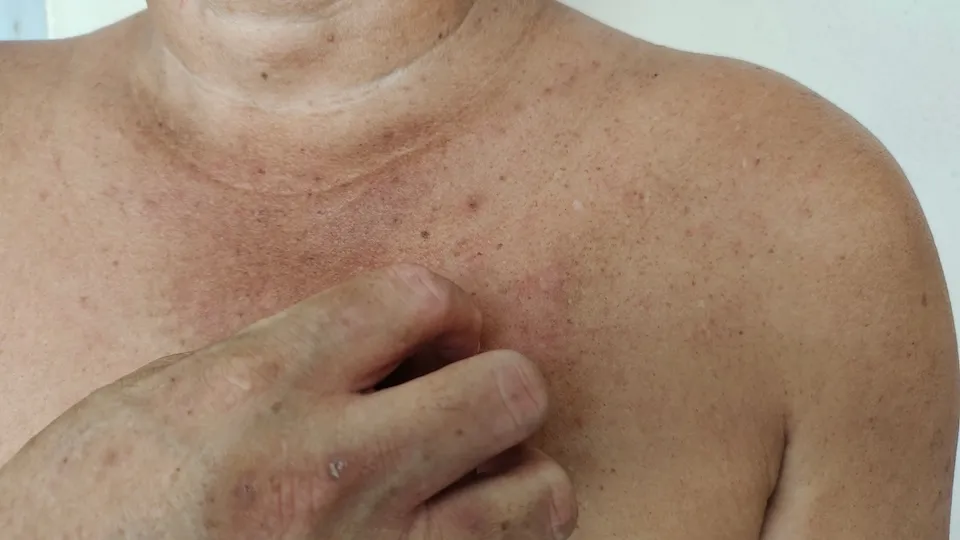
If you have noticed dark patches or discoloration after a flare, you are not alone. Post-inflammatory pigmentation, or PIH, is one of the most common concerns for people with eczema or psoriasis. It happens when inflammation causes your skin to overproduce pigment as part of its healing response.
In lighter skin tones, this often shows up as pink or red spots. In darker skin tones, it typically appears as brown or deeper patches. It is your skin's way of healing. With the right approach, it improves significantly over time.
Why Treating the Trigger Comes First
PIH is a secondary response to inflammation. New spots keep forming as long as the underlying condition is active. Getting your eczema or psoriasis under control is just as important as the treatments targeting the pigmentation itself.
Your Zest care team works with you on both at the same time, building a plan that addresses the root cause and the visible effects together.
Treatment Options Your Care Team May Recommend
Effective treatment works at different stages of pigment production. Your provider may recommend a combination based on your skin tone, the depth of discoloration, and your overall skin health. Common options include:
- Pigment inhibitors. Ingredients like hydroquinone, kojic acid, thiamidol, and arbutin help slow the production of new pigment. These are often the foundation of a PIH treatment plan.
- Exfoliants. Retinoids, glycolic acid, and salicylic acid help speed up the shedding of existing pigmented skin cells. These work well but should be introduced gradually to avoid irritation.
- Brighteners. Vitamin C and niacinamide help block pigment transfer and protect the skin from further damage. These are generally well-tolerated and work alongside other treatments.
- Targeted treatments. Tranexamic acid interrupts the inflammatory signals that trigger pigment production, making it especially useful for PIH tied to ongoing inflammation.
- Procedural options. For deeper or more stubborn pigmentation, your care team may discuss chemical peels or laser therapy. These are typically considered when topical treatments alone are not achieving the results you want.
A Few Important Things to Know
Visible improvement typically takes 8 to 12 weeks of daily, consistent treatment. This feels slow. But staying the course is what makes the difference.
A few habits that support your treatment:
- Wear SPF 30 or higher every day. Sun exposure darkens spots and undoes weeks of progress. Mineral-based sunscreens with zinc or titanium dioxide work especially well.
- Keep your skin barrier healthy. Hydration and gentle cleansing are just as important as active lightening ingredients. A compromised barrier slows everything down.
- Avoid picking or scrubbing. Physical irritation triggers more inflammation and more pigmentation.
Not sure which treatments are right for your skin tone and type? Your Zest care team builds a plan tailored specifically to you. Reach out anytime through your portal.

The Skin Deep Summary
Dark spots after a flare are frustrating. But they are also one of the most treatable skin concerns. The key is a layered, patient approach: control the underlying inflammation, use the right topical treatments consistently, and protect your skin from the sun every single day.
At Zest, your care team will help you build a personalized plan that addresses both the root cause and the visible effects, so your skin can heal fully and stay clear longer. Progress takes time, but with the right plan and consistent care, it absolutely happens.