
Eating to Calm Inflammation: A Guide to an Anti-Inflammatory Diet

Key takeaways
- What you eat can either fuel or calm inflammation. For people with eczema or psoriasis, the right dietary choices may help reduce flares and support your skin barrier.
- It is not just about cutting foods out. Balancing omega-3s (anti-inflammatory) with omega-6s (pro-inflammatory) is one of the most impactful dietary shifts you can make.
- Sustainable change happens one swap at a time. Small, consistent steps are what lead to lasting results.
Inflammation is fueled in part by what you eat every day. When the immune system stays activated for too long, it releases signals that worsen skin conditions like eczema and psoriasis. An anti-inflammatory diet focuses on whole, nutrient-dense foods that help calm this response and support your skin from the inside out.
Food is not a replacement for your prescribed treatments, but it works well alongside them. Think of it as one more tool in your toolkit.
Foods to Emphasize
Fill your plate with these antioxidant-rich and omega-3-rich options to help regulate your immune response:
- Antioxidant-rich fruits and vegetables. Berries, leafy greens like kale and spinach, sweet potatoes, avocados, and broccoli. Aim for 5 to 9 servings a day.
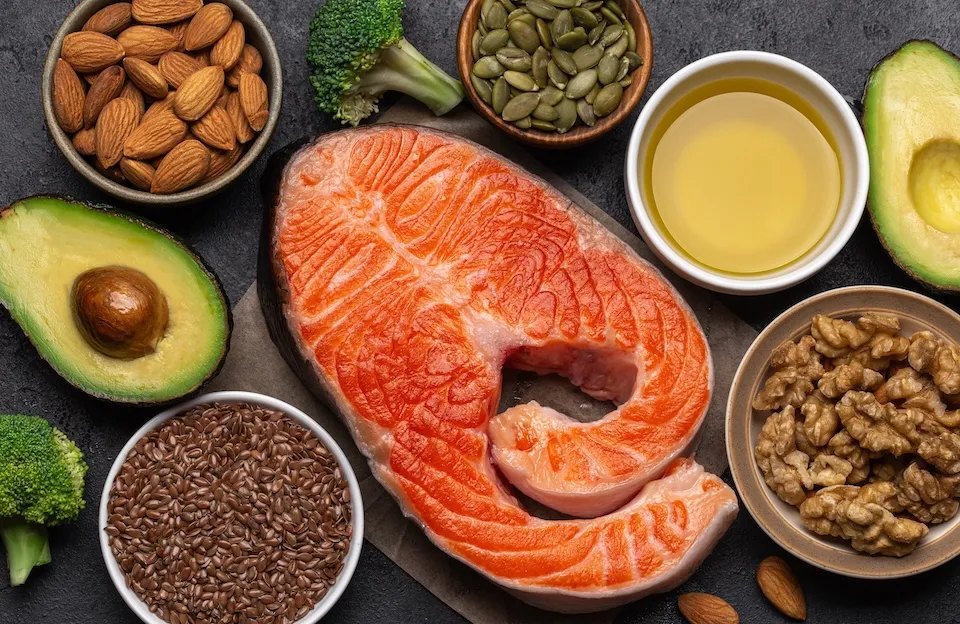
- Healthy fats (omega-3s). Oily fish like salmon, mackerel, and sardines are great sources. Plant-based options include flaxseed, walnuts, and chia seeds.
- Whole grains. Oats, quinoa, and brown rice. If you have gluten or fructose sensitivities, talk to your care team about what works for you.
- Anti-inflammatory spices. Turmeric, ginger, and garlic are easy ways to add flavor while supporting your immune health.
- Dark chocolate. A small amount with at least 70% cocoa provides a useful boost of anti-inflammatory flavonoids.
Foods to Limit
Certain foods amplify inflammation when eaten regularly. These are worth reducing rather than eliminating entirely:
- Processed oils. Corn, sunflower, soybean, and peanut oils are high in omega-6s. Try swapping in olive or avocado oil where you can.
- Refined carbs and added sugar. High-glycemic foods like white bread, sugary snacks, and sodas spike inflammation. Small swaps add up over time.
- Heavy dairy and red meat. These contribute to inflammation in some people. Fish, poultry, lentils, and beans are good alternatives.
Where to Start: Meal Ideas
Not sure what this looks like on a plate? Here are some easy ideas to get started:
- Breakfast: Smoothies with berries, chia seed bowls, or oatmeal with walnuts.
- Lunch or dinner: Grilled salmon with greens, quinoa vegetable salad, or lentil soup.
- Snacks: Apples with almond butter, guacamole, or Greek yogurt with flaxseed.
- Beverages: Green tea, turmeric tea, or ginger-turmeric milk.
Want help making these changes work for your lifestyle and budget? Your Zest care team helps you build a practical approach to nutrition that fits alongside your treatment plan. Reach out anytime through your portal.

The Skin Deep Summary
Food plays a real role in managing inflammation. Not through strict rules or restrictions, but through awareness and balance. Choosing whole, antioxidant-rich foods and healthy fats helps calm your immune system and supports your skin from the inside.
Nutrition is an essential part of your care at Zest, not an afterthought. Your care team helps you make these changes in a way that feels manageable, affordable, and sustainable.