
Fungal Nail Infections: What They Are and How We Treat Them

Key takeaways
- Treatment takes time. Because nails grow slowly, it often takes several months of consistent treatment before you see clear results. That is completely normal.
- Consistency is what makes treatment work. Missing doses allows the fungus to regrow. Sticking to your plan, even when you do not see changes yet, really matters.
- Simple daily habits like keeping your feet dry and wearing breathable shoes play a big role in both treating and preventing fungal nail infections.
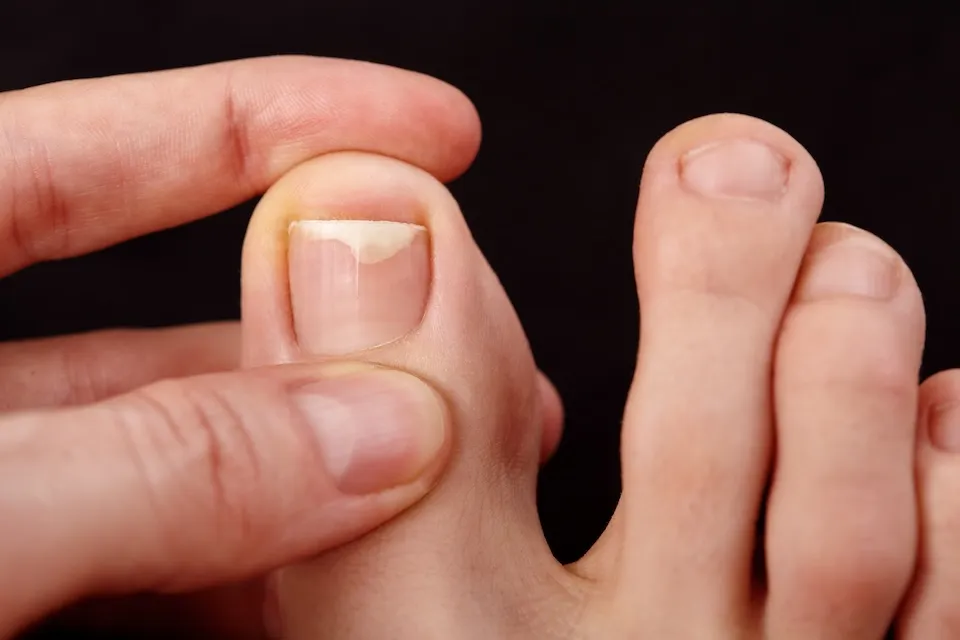
A fungal nail infection, also called onychomycosis, is one of the most common nail conditions we treat. It causes nails to become thickened, discolored, brittle, or crumbly over time.
While it looks like a surface issue, the fungus lives under the nail in the nail bed. That is why treatment takes patience, and why a consistent plan makes all the difference.
Your Treatment Options
Your treatment plan is tailored to the severity of the infection and your overall health. Common approaches include:
- Medicated nail lacquer. A prescription nail polish applied directly to the nail. This is often a good fit for milder cases or for people who prefer to avoid oral medications.
- Oral antifungal medications. Medications that work from the inside out to reach the fungus in the nail bed. Your care team lets you know if this is the right option for you.
- Lifestyle changes. Simple daily habits that make your nails less hospitable to fungus and help prevent it from coming back.
Habits That Help Your Treatment Work
A few small daily habits make a real difference in getting the best results from your treatment:
- Keep your feet dry. Dry your feet thoroughly after every shower, especially between the toes. Fungus thrives in warm, moist environments.
- Choose breathable fabrics. Wear cotton socks and breathable shoes to prevent moisture buildup throughout the day.
- Trim your nails regularly. Keeping nails short reduces the surface area where fungus takes hold.
- Stay consistent with your medication. Even if you do not see changes right away, keep using your treatment as directed. Results take time, and consistency is what gets you there.
When to Reach Out to Your Zest Team
Get in touch through your portal if you notice any of the following:
- Increased pain, redness, or swelling around the nail
- Signs of a new skin infection
- Any unexpected side effects from your medication
Questions about your treatment plan or not sure what to expect? Your Zest care team is here to walk you through every step. Reach out anytime through your portal.

The Skin Deep Summary
Fungal nail infections are stubborn. But they are also very treatable. The key is consistency: following your treatment plan, protecting your feet from moisture, and giving your nails the time they need to grow back healthy.
Your Zest care team supports you through every stage of treatment, adjusting your plan as needed and helping you build the daily habits that keep fungal infections from coming back. Healthy nails are within reach.