
Managing Itchy Skin: How to Find Relief and Break the Cycle

Key takeaways
- Itching is one of the most frustrating parts of eczema and psoriasis. Scratching makes it worse by triggering more inflammation and slowing skin healing.
- Simple, immediate strategies like cooling, gentle tapping, and stress relief help interrupt the itch-scratch cycle before it takes hold.
- Your Zest care team helps you find the right combination of at-home habits and clinical options to keep itch more manageable day to day.
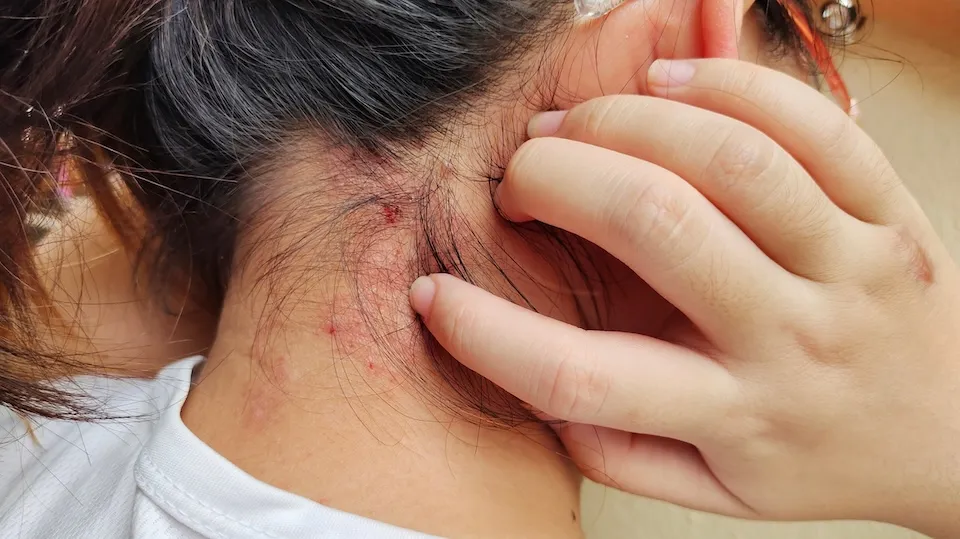
If you have eczema or psoriasis, you know that itch can feel relentless and exhausting. It disrupts your sleep, your focus, and your mood. And one of the hardest parts? Scratching feels like the only option in the moment, even when you know it makes things worse.
You are not alone in that. The itch-scratch cycle is one of the most common challenges for people managing these conditions. Real strategies can help, and you do not have to figure them out on your own.
Understanding the Itch-Scratch Cycle
When your skin itches, scratching feels like relief. But it actually triggers more inflammation, which leads to more itching. Over time, this cycle damages your skin barrier and makes flares harder to control.
In eczema, repeated scratching leaves skin raw and more vulnerable to infection. In psoriasis, scratching sometimes causes new patches to form in areas of skin irritation. Breaking this cycle, even partially, gives your skin the chance to calm down and heal.
Finding Quick Relief
When the urge to scratch feels overwhelming, these strategies may help interrupt the itch signal:
- Cool it down. Apply a cold compress or cooling pack to the itchy area for 10 to 15 minutes. Cold helps quiet the nerve signals that trigger itch, giving you a window of relief.
- Chill your moisturizer. Keep your moisturizer in the fridge. Applying a cold moisturizer feels immediately soothing while also supporting your skin barrier.
- Try tapping instead. Rather than scratching, gently tap or apply firm pressure to the area with your fingertips. It satisfies the urge without causing further irritation.
- Check in with your stress. Stress intensifies itching. Even a few minutes of deep breathing or a short meditation may help turn down the volume on stress-related itch.
Building Habits That Help
Your daily routine makes a real difference in how much you itch. A few small shifts to try:
- Keep showers short and lukewarm. 10 minutes or less tends to work best.
- Stick to fragrance-free products. Fragrances are a common irritant that triggers flares.
- Add moisture to the air. A cool-mist humidifier helps, especially while you sleep.
- Choose soft, breathable fabrics. Cotton tends to be gentler on sensitive skin than wool or synthetic materials, which trap heat and cause irritation.
Over-the-Counter and Clinical Options Worth Exploring
Your care team helps you figure out what is right for your skin. Here are some options worth discussing:
- OTC anti-itch lotions. Products formulated for itch relief offer temporary comfort. For extra soothing, try keeping them in the fridge before applying.
- Compounded topicals. Your provider may prescribe a customized cream tailored to your skin's specific needs.
- Nutritional support. Some people explore supplements for their anti-inflammatory properties. Talk to your provider before starting anything new.
- Prescription options. For itching that does not respond to topical treatments, your care team may discuss medications that calm the nerve signals responsible for itch.
Making This Work for Your Life
Managing itch is rarely a straight line. Some days are harder than others, and that is okay. The goal is finding a combination of strategies that gives you more good days than bad.
- Tell your provider what feels hard. Whether it is a strategy that is not working, a product that irritates your skin, or a habit that is hard to stick to, your team wants to know so they can adjust your plan with you.
- You get to choose. Not every strategy feels right for your life, and that is okay. Start with one or two that feel manageable.
- Your team keeps it simple. The goal is always to recommend approaches that are realistic, affordable, and tailored to you.
Have questions about managing itch or unsure where to start? Your Zest care team is here to help you build a plan that actually fits your life. You can also find recommended products in the Zest Marketplace.

The Skin Deep Summary
Itch is one of the hardest parts of living with eczema or psoriasis. But it does not have to run the show. Breaking the itch-scratch cycle takes time and the right tools. Small, consistent steps add up to real relief.
From cooling techniques and stress management to clinical options, there is a wide range of strategies that can help. Your Zest care team is here to help you find the combination that works for your skin, your lifestyle, and your goals.