
What is Atopic Dermatitis? Understanding Your Skin and How to Care for It

Key takeaways
- Atopic dermatitis is an immune-driven condition — your skin has a harder time holding moisture and keeping irritants out, which drives the itch-inflammation cycle
- Daily moisturizing is just as important as your prescription treatments — if not more important — in keeping your barrier strong can help prevent your next flare
- With the right routine and support, flares can become less frequent, less intense, and easier to manage over time
If you’ve noticed dry, intensely itchy, or red patches on your skin, you might be dealing with atopic dermatitis — the most common form of eczema. It can feel unpredictable and frustrating, especially when a flare sets in just as your skin starts to clear.
You didn't cause this — and you're not alone in it. Understanding what's actually happening beneath the surface can make the path forward feel a lot less overwhelming. That's what this guide is here for.
What’s Happening to Your Skin
Atopic dermatitis is a chronic (long-term) skin condition rooted in two things happening at once: an overactive immune system and a weakened skin barrier. Think of a healthy skin barrier like a protective wall — it seals moisture in and keeps irritants out.
In atopic dermatitis, that wall has gaps. The skin lacks certain proteins it needs to stay strong and flexible, so moisture escapes quickly and irritants get in easily. When that happens, the immune system responds with inflammation — and that's what drives the itchiness, redness, and dryness you feel.
Atopic dermatitis naturally moves between flares — when symptoms are more active — and calmer periods called remission. Both are a normal part of the condition. And with the right routine, those calmer periods can last longer.
What Atopic Dermatitis Can Look Like
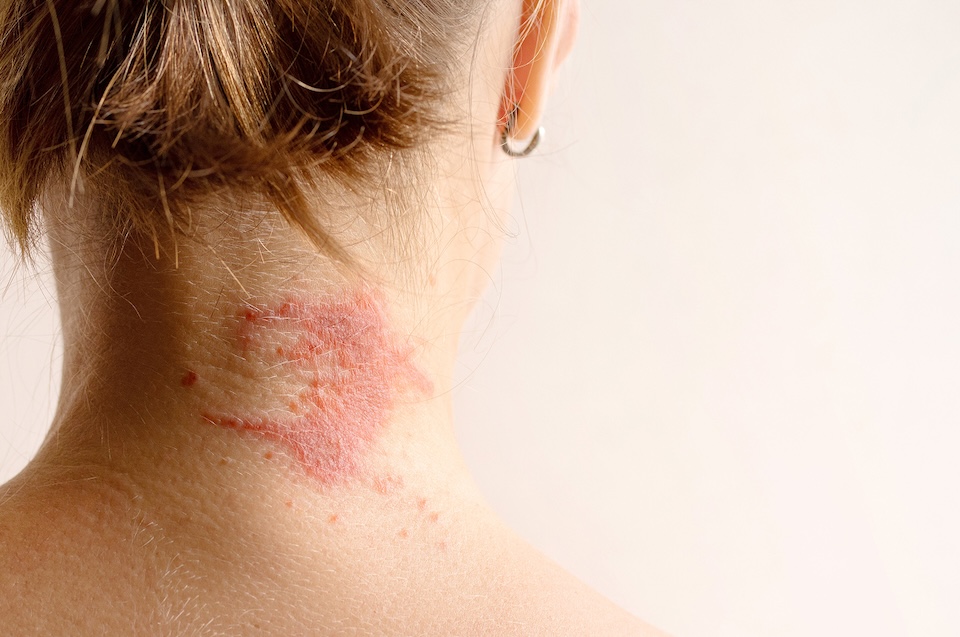
Atopic dermatitis can show up differently depending on your age and skin tone, and that's worth knowing. On lighter skin, it typically appears as red, dry, and intensely itchy patches. On darker skin tones, the rash may look purplish, grayish, or dark brown — and it can sometimes appear as small, raised bumps around hair follicles.
While it can appear anywhere on the body, it most often settles in a few key areas:
- Flexural areas — the bends of the elbows and the backs of the knees are classic hotspots
- Sensitive areas— the face, eyelids, neck, and skin folds are especially prone to irritation
- Hands and feet — areas frequently exposed to water and friction often experience persistent dryness and cracking
What Triggers a Flare
Atopic dermatitis flares don't happen randomly — they're almost always connected to something that stirs up inflammation in the body. Triggers vary from person to person, but some of the most common ones include:
Knowing your personal triggers is one of the most empowering things you can do. It shifts the focus from reacting to flares to getting ahead of them.
How to Manage Atopic Dermatitis
Managing atopic dermatitis is really a two-part process: Calming active inflammation from the outside, while proactively reinforcing your protective barrier every single day. Your Zest care plan focuses on three core pillars to help keep the calm periods lasting longer.
1. Build a Gentle Daily Skincare Routine
A consistent routine is the foundation of barrier repair. Here's what that can look like:
- Bathing — Keep showers short and use lukewarm water. Choose mild, fragrance-free, soap-free cleansers and skip anything with added dyes or essential oils. When drying off, pat your skin gently — never rub.
- Moisturizing — Apply a rich moisturizer within 3 minutes of stepping out of the shower, while your skin is still slightly damp. This helps lock in hydration before it evaporates. Ointments and thick creams tend to work best. You can find provider-approved options in the Zest Marketplace.
2. Targeted Flare Support
When a flare hits, your prescribed medications are your first line of support. Apply your prescription treatment directly to affected areas first, letting it absorb before layering on moisturizer. For sensitive areas like the face or neck, your provider may recommend steroid-free options that reduce inflammation without the risk of skin thinning — don't hesitate to ask.
3. Extra Support for Stubborn Flares
For more intense flares, your care team may suggest additional approaches to help your skin recover:
- Wet wrap therapy — Apply your prescription medication and moisturizer, then cover the treated area with clean, damp wraps or garments. This helps lock in hydration and can bring real relief from severe itching. It's typically used for moderate to severe flares.
- Bleach baths — For people who experience frequent flares, diluted bleach baths may help reduce bacteria on the skin that can make flares worse. Your provider will give you specific instructions on dilution and timing.
Have questions about your care plan, your triggers, or what to try next? Your Zest care team is here — reach out through your portal anytime.

The Skin Deep Summary
Atopic dermatitis is a long-term condition, but it doesn't have to control your life. Understanding your skin, knowing your triggers, and staying consistent with your routine are what make the biggest difference over time.
At Zest, we're in this with you — whether you're managing a tough flare or enjoying a calm stretch. Your care team is here to help you adjust your plan, answer your questions, and keep you moving toward lasting comfort.