


Key takeaways

- Clear skin doesn't mean psoriasis or eczema is gone—it's a chronic condition that can flare again, so "clear" (measured via tools like PASI) is a status check, not a cure.
- Biologics are approved for long-term use, but once skin is stable, research shows dose tapering or spacing may be safe for some patients—this is a provider-guided decision, don’t try it on your own.
- Skipping or spacing doses without medical supervision risks relapse that may be harder to reverse; Zest's ongoing care model is built to have this conversation safely over time.
Your skin is clear. The itching stopped. The plaques faded. You feel like yourself again in short sleeves.
Then a new question shows up: do I take this medicine forever?
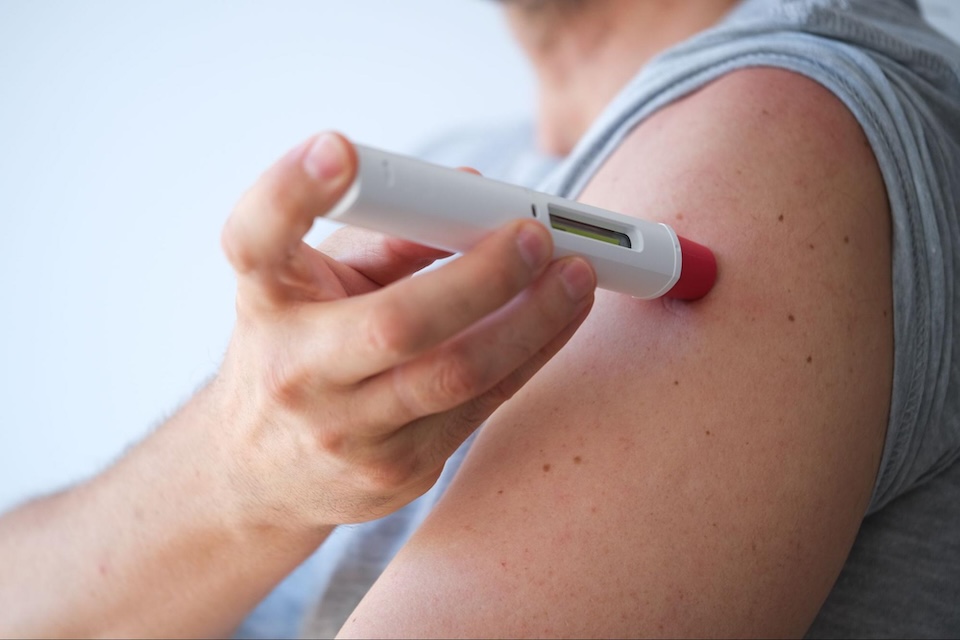
It's a fair question. Millions of people use biologic injections to treat psoriasis and eczema (atopic dermatitis). These medicines target the specific parts of the immune system that drive flares, and for most people, they work well over years. But working well and needing the exact same dose forever are two different things. Clear skin is often the moment worth raising that question with your provider.
What “Clear” Actually Means
Dermatology providers track your progress with tools like the Psoriasis Area and Severity Index (PASI) for psoriasis, or a similar scoring system for eczema. “Clear” or “almost clear” means your skin shows little to no visible disease. It does not mean the underlying condition is gone. Psoriasis and eczema are chronic conditions, and they can come back even when your skin looks great right now.
That distinction matters for what comes next.
Is A Biologic Meant to Last Forever?
Biologics are approved for long-term, ongoing use, and for many people, staying on the same dose and schedule is the right choice, especially early in treatment or after a history of hard-to-control flares.
But the research on biologic dosing keeps evolving. Once skin has stayed clear for a while, researchers have studied whether the interval between doses can be safely stretched out, or the dose lowered, without losing control. This approach goes by a few names: dose tapering, dose spacing, or interval extension. Across several studies in psoriasis, dose tapering has looked effective and safe in patients with stable, low disease activity.
This Isn’t A Do-It-Yourself Decision
Skipping doses on your own, stretching out your injection schedule without guidance, or stopping altogether carries real risk if not monitored. Relapse can happen, and regaining clear skin the second time sometimes takes longer and does not always reach the same result. Your provider needs to review your history, your response over time, and your individual risk factors before recommending any change, and needs to monitor you closely if a change is made.
The Bigger Picture: Individualized Dosing Is a Partnership
Skipping doses on your own, stretching out your injection schedule without guidance, or stopping altogether carries real risk if not monitored. Relapse can happen, and regaining clear skin the second time sometimes takes longer and does not always reach the same result. Your provider needs to review your history, your response over time, and your individual risk factors before recommending any change, and needs to monitor you closely if a change is made.
Zest’s Approach
Zest Health is a virtual dermatology clinic built for exactly this kind of question. Patients get an ongoing care team that follows their psoriasis or eczema over months and years, with treatment that adjusts as skin improves. If your employer or health plan offers Zest, a conversation about your dose fits into standard, ongoing care.
Frequently Asked Questions
Will my psoriasis or eczema come back if I lower my dose?
It's possible. That is exactly why any dose change needs monitoring by your provider, along with a plan for what happens if symptoms return.
Can I just try skipping a dose to see what happens?
No. Skipping doses without guidance is different from a supervised plan, and it can lead to an unpredictable flare.
What if my flare comes back after a dose change?
Most people who relapse after a supervised dose change get back to clear skin once the standard dose resumes, though it can take time and close follow-up with your provider.
The Skin Deep Summary

Get fast, expert-backed online eczema treatment and virtual dermatology care with Zest. Book a next-day appointment, message your dedicated care team 24/7, and get specialized support.
Learn moreGet fast, expert-backed online psoriasis treatment and virtual dermatology care with Zest. Book a next-day appointment, message your dedicated care team 24/7, and get specialized support.
Learn moreFAQs

Zest Health is the first virtual dermatology clinic specialized for psoriasis and eczema. Zest Health can be your main dermatology provider, or you can use it between visits with your regular doctor. Zest is designed to improve outcomes for psoriasis and atopic dermatitis with customizedhigh touch clinical care.
Zest Health focuses exclusively on psoriasis and eczema — two of the most common and complex chronic inflammatory skin conditions. We offer deep expertise and tailor treatment plans to your unique symptoms, history, and lifestyle. Treatment plans go beyond symptom relief to identify and address the underlying causes and triggers of flares.
Zest is designed for people living with chronic skin conditions like eczema and psoriasis who need ongoing, specialized care. Organizations that partner with Zest gain a way to improve access and outcomes for their members without over reliance on prescription medications. Individuals seeking care for other skin concerns are not a fit for our program today.
Related articles





Ready to find relief?
Book a visit and take the first step toward a treatment plan built just for you.